
Tooth Extractions
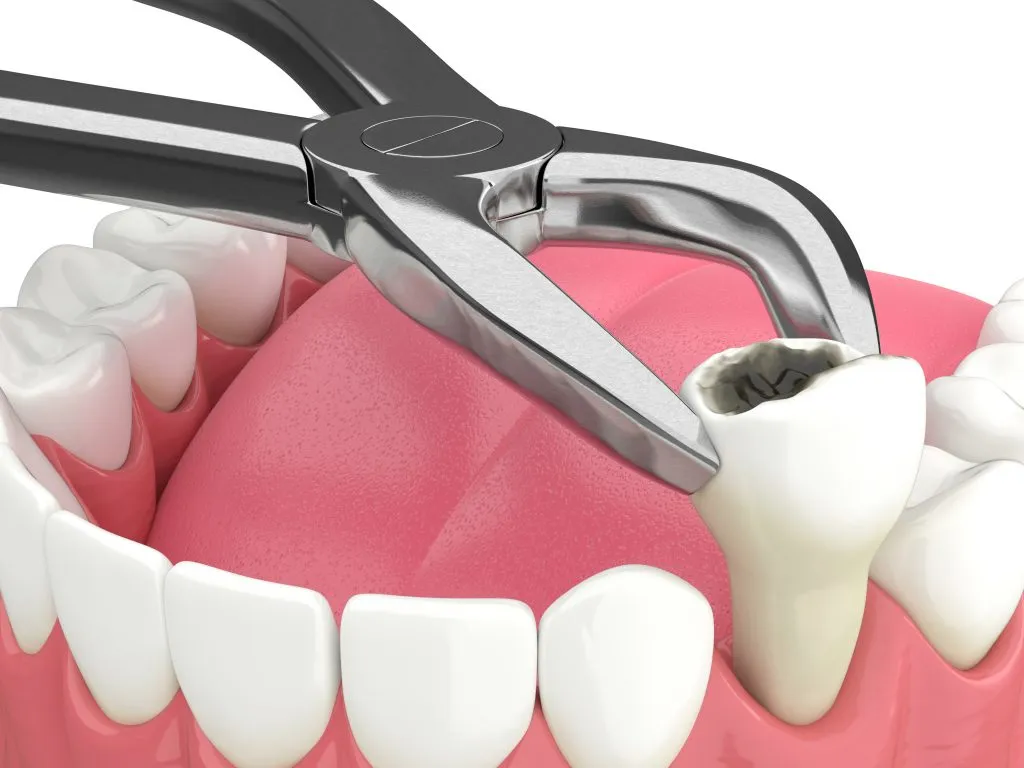

The Tooth Removal Process
Why Teeth May Need to Be Removed
There are several reasons why a tooth may need to be extracted. Common causes include severe decay, advanced periodontal disease, or damage that cannot be repaired. In some cases, teeth are removed due to poor positioning in the mouth, such as with impacted canines, or as part of a broader orthodontic treatment plan.
While extractions can be necessary, removing even one tooth may affect your ability to chew, your jaw joint, and the alignment of surrounding teeth. That’s why we explore all available alternatives before proceeding and also discuss replacement options to restore your dental function and appearance.
The Tooth Extraction Process
To ensure your comfort, local anesthesia will be administered to numb the tooth, jaw bone, and surrounding gums. You will feel pressure during the procedure as the tooth is gently rocked to widen the socket, but no pain. If you feel discomfort at any time, let our team know immediately.
Sectioning a Tooth
Some teeth are more difficult to remove due to strong anchorage in the socket or curved roots. In such cases, the tooth may be sectioned into smaller parts. Each section is removed individually, which allows for a safer and more controlled extraction process.
After Tooth Extraction
Postoperative care is essential for healing and comfort. Detailed home care instructions can be found on our After Extractions page. Following these guidelines will help minimize discomfort and support proper healing.