Distraction Osteogenesis

What to Expect from the Distraction Osteogenesis Procedure
Understanding Distraction Osteogenesis
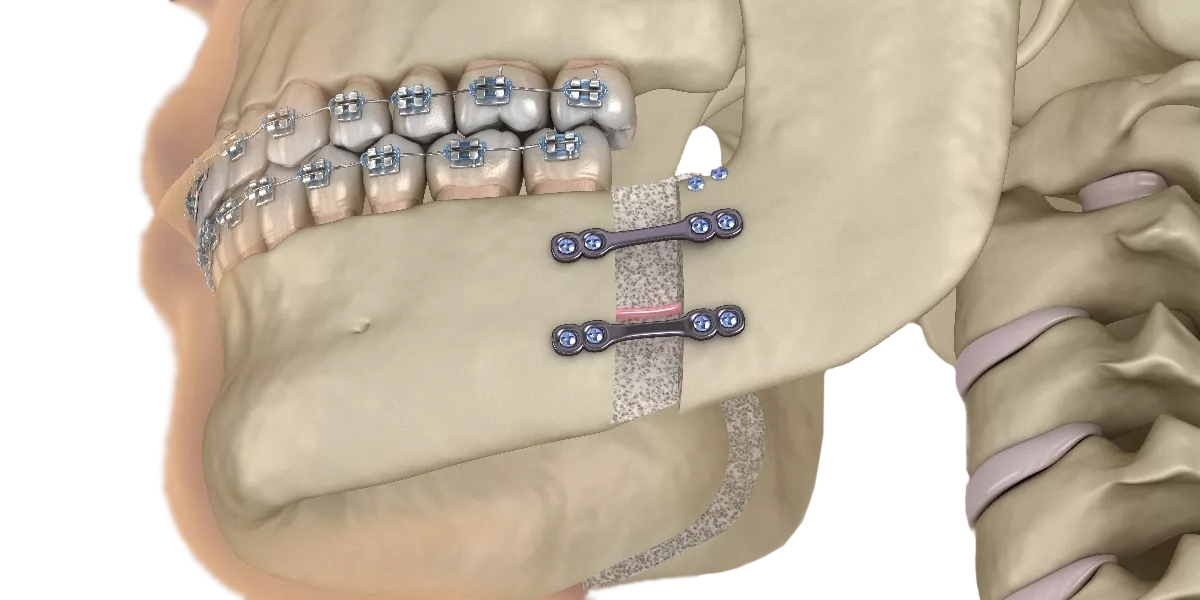
Distraction osteogenesis (DO) is a modern technique used to correct certain deformities and defects of the jaw and skull. Although first introduced in 1903, the method was significantly advanced in the 1950s by Russian orthopedic surgeon Dr. Gabriel Ilizarov, who refined the process for use in limb deformities. The use of distraction osteogenesis in oral and facial treatments began in 1990 and has since evolved into a safe and reliable solution for jaw reconstruction and enhancement.
The term “distraction osteogenesis” means slowly separating two bone segments so new bone can grow to fill the gap. This technique is particularly useful in correcting jaw deficiencies and preparing the bone for dental implants.
Key Benefits of Distraction Osteogenesis
- Minimally invasive compared to traditional bone grafting surgeries
- Less post-operative pain and swelling
- Eliminates the need for a second surgical site for bone harvesting
- Greater stability in extensive reconstructions
Frequently Asked Questions
Is the surgery more complex than traditional methods? No. Most procedures are performed on an outpatient basis and are typically less invasive, resulting in faster recovery.
Will my insurance cover it? In many cases, yes. We will help determine your benefits after your consultation.
Is the procedure painful? Surgery is done under general anesthesia, and pain is usually well-managed with medications. Patients often report discomfort similar to orthodontic adjustments.
Are there disadvantages? The process involves multiple follow-up visits, and sometimes a second minor procedure is needed to remove the device used in bone separation.
Can DO be used to grow bone for implants? Yes. It can regenerate bone in areas of deficiency, creating a stable foundation for dental implants.
Will there be facial scars? No. All surgical work is performed inside the mouth, leaving no visible facial scars.
Is there an age limit? No. This treatment can be successful across all age groups. Younger patients typically heal faster, but adults are also excellent candidates.