
Ridge Augmentation

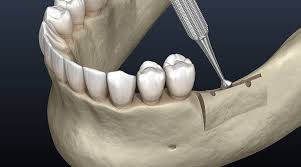
Procedure and Benefits of Ridge Augmentation
What is a Ridge Augmentation?
A ridge augmentation is a dental procedure used to restore the natural shape and contour of the gums and jawbone following tooth loss. When teeth are removed, the surrounding bone may shrink or fail to heal completely, leading to deformities in the jawline. This procedure is often necessary for both cosmetic restoration and to support future dental implants.
The alveolar ridge is the bony part of the jaw that holds teeth in place. After a tooth extraction, an empty socket remains, and while it usually fills with new bone naturally, this healing process can be incomplete if the socket walls are damaged. The ridge may lose height and width, making it harder to place implants or maintain a natural appearance.
How is a Ridge Augmentation Performed?
The procedure involves placing bone grafting material into the socket immediately after tooth removal, minimizing the need for additional surgeries. The gum tissue is then sutured over the graft. In some cases, your surgeon may use space-maintaining materials, such as synthetic membranes (e.g., Gore-Tex), collagen, or platelet-rich fibrin (PRF) from your own blood to help protect and support the healing area.
Once the area has healed and the bone has regenerated, the site can be prepared for implant placement. Ridge augmentations are typically performed in the surgeon’s office using local anesthesia, with sedation options available upon request. Sedative medication can help ensure your comfort during the procedure.