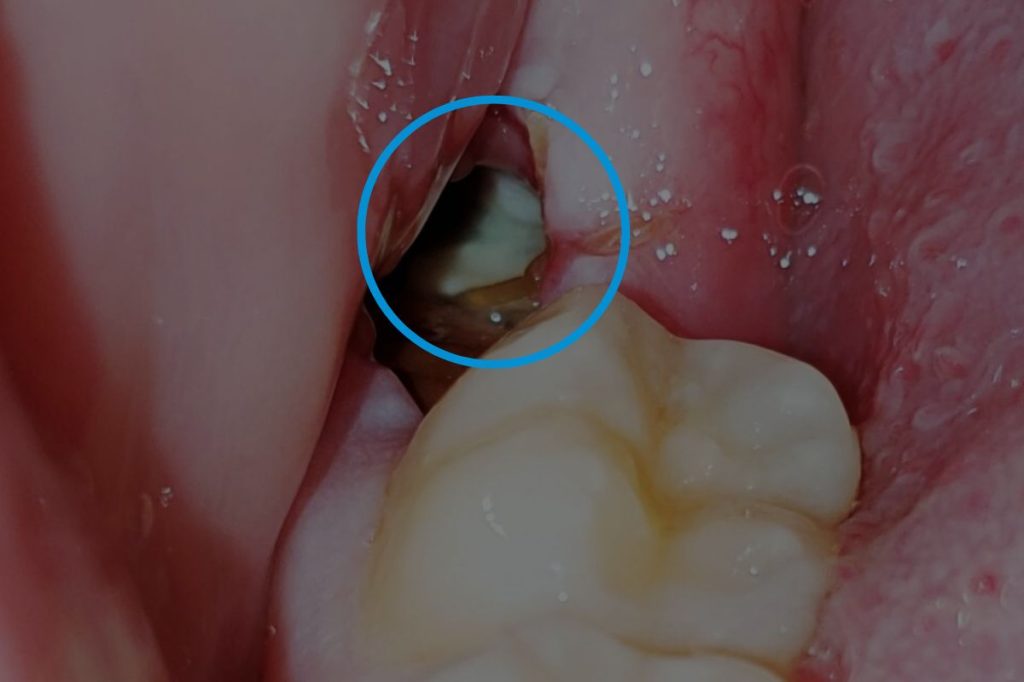
After Extraction of Wisdom Teeth
In most cases, the removal of wisdom teeth is performed under local anesthesia, laughing gas (nitrous oxide/oxygen analgesia), or general anesthesia. These options, as well as the surgical risks (such as sensory nerve damage or sinus complications), will be discussed before the procedure. Once the teeth are removed, the gum is sutured, and a gauze pad is placed to control bleeding. You’ll be monitored until you are ready to go home. You’ll receive a post-op kit with instructions, pain medication, antibiotics, and a follow-up appointment for suture removal. Please contact us if you have any concerns or questions after your procedure.

xr:d:DAEaYlfs9YQ:771,j:6524992597342959087,t:23091202
What to Expect After Surgery
Recovery experiences vary, but some pain and swelling are common. Swelling usually peaks on day two and starts resolving by day three. Ice packs help reduce swelling in the first 24 hours, while moist heat can ease jaw stiffness later. Most patients begin to feel better within 3 to 5 days. Rest, limit activity, and follow your post-op care plan closely for best results.

Sensory Nerve Damage

  • The nerve in the lower jaw supplies feeling to the lower lip, chin, and tongue.
  • It may be close to the roots of the lower wisdom teeth and can be affected during removal.
  • This may result in temporary tingling or numbness, which usually resolves over time.
  • Permanent damage is rare.
  • The upper wisdom teeth are near the sinuses.
  • Their removal may create a small opening between the sinus and the mouth, which typically closes on its own.
  • Avoid blowing your nose and follow specific instructions if this occurs.
  • Rarely, further treatment may be needed.

Dry Sockets

  • A common issue where the blood clot becomes dislodged, exposing the bone.
  • This leads to a dull ache around the third to fifth day after surgery.
  • Treatment involves medicated dressings for pain relief and may require multiple visits to replace the dressing.

Infections

  • Although uncommon, infections may occur and typically respond well to antibiotics.
  • In rare cases, drainage or additional procedures may be required.
  • If you notice swelling, fever, or persistent pain, please contact us promptly.

Other Temporary Side Effects

  • Jaw stiffness, bruising, minor bleeding, or soreness at the corners of the lips may occur.
  • These typically resolve without issue.
  • If anything concerns you during recovery, don’t hesitate to reach out to our office.