TMJ Disorders
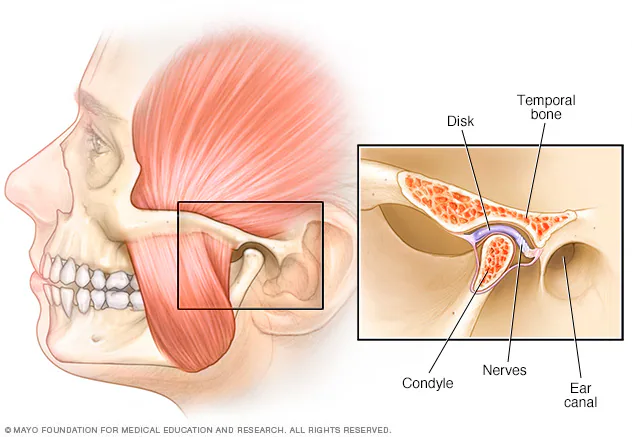
The temporomandibular joints (TMJ) connect your jawbone to your skull and play a vital role in everyday functions like chewing, speaking, and yawning. When these joints become misaligned or inflamed, they can cause discomfort and limit jaw movement—a condition commonly known as TMJ disorder or TMD.
Causes of TMJ Disorders
- Jaw injury or trauma
- Bruxism (teeth grinding or clenching)
- Arthritis in the TMJ
- Stress-related muscle tension
- Dislocation or misalignment of the joint
Diagnosis and Treatment Options
Diagnosing TMJ disorders typically involves a physical exam, review of symptoms, and imaging such as x-rays or CT scans. Depending on the severity of your condition, treatment may include:
- Oral appliances (night guards or splints)
- Physical therapy or jaw exercises
- Medication to relieve pain or reduce inflammation
- Stress management techniques
- Surgical intervention for severe cases
When to See an Oral Surgeon
If conservative treatments are not effective or if your symptoms worsen, an oral and maxillofacial surgeon can evaluate whether surgical correction is appropriate. Surgical options may include arthrocentesis, arthroscopy, or open joint surgery.
Schedule Your Consultation
If you’re experiencing persistent jaw pain, limited movement, or other TMJ symptoms, contact our office today to schedule a consultation. Early diagnosis and treatment can prevent long-term joint damage and significantly improve your quality of life.
Trusted Expert in Advanced Oral and Maxillofacial Surgery
At Riverside Oral & Maxillofacial Center, we offer a wide array of oral surgery treatments to patients throughout the Riverside area and nearby regions. Our goal is to enhance both the appearance and functionality of your smile. Led by board-certified oral surgeon Dr. Emily Carter, our skilled team performs advanced procedures including dental implants, full-arch restorations, wisdom tooth extractions, and more. We prioritize your safety and comfort with modern facilities, cutting-edge technology, and a dedicated on-site anesthesia team.
Get in Touch Cherry Street Oral & Facial Surgery
You can reach our office in several convenient ways. Choose the option that works best for you.
Our Mailing Address
Cherry Street Oral & Facial Surgery
77 Vilcom Center Dr., Suite 120, Chapel Hill, NC 27514
Tulsa
Oklahoma
74120
Mon – Thu: 9:00am – 5:30pm
Friday: 9:00am – 2:00pm
Saturday: Closed
Sunday: Closed
Contact Numbers
Phone: (918) 609-2020
Fax: (987) 654-3210