


After Implant Placement FAQ
- Home
- Procedure
- After Implant Placement FAQ
What can I use for teeth while the implants heal?
What are the potential problems after dental implant surgery?
How long will the implants last?
When are the replacement teeth attached to the implant?
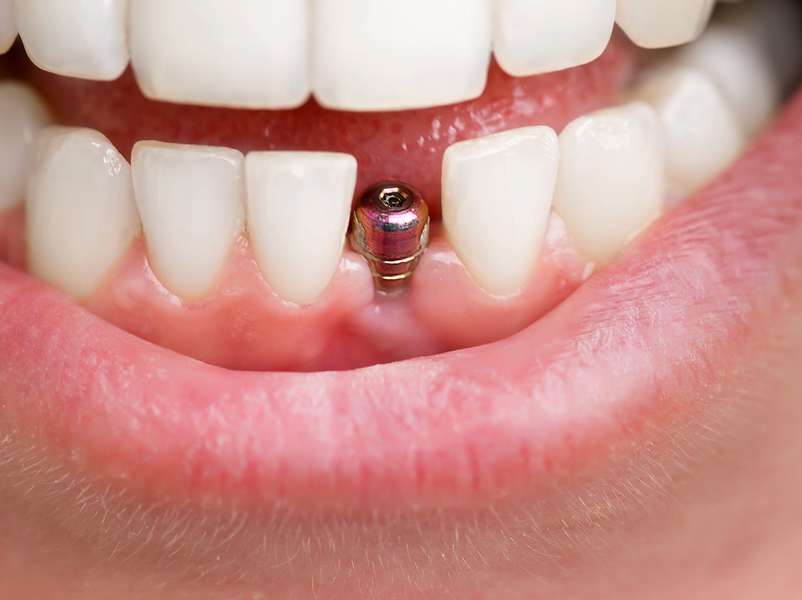
Once healing and bone integration are complete, your permanent replacement teeth are placed. In some cases, this can begin shortly after implant placement. Your treatment timeline will depend on healing progress and the complexity of your case.
We begin with impressions and bite records to fabricate your custom teeth and abutments. Some cases use standard components; others require custom options that may add time and cost. Each treatment is tailored precisely to your anatomy and needs.
The number of appointments varies. Simple cases may require as few as three visits, while more complex treatments may involve five or more visits, especially for removable dentures.
Treatment time from implant to final restoration typically ranges from 1 to 12 months. Your dentist will provide an estimated timeline and cost based on your individual plan.
Dental Implants
Dental implants are the most advanced and long-lasting way to replace missing teeth. Smile, eat, and enjoy life again!
How do I clean my new teeth?
Proper hygiene is essential. Brush and floss daily, and use any recommended tools to keep your implants and gums clean. Regular dental visits are also important for maintenance. Like natural teeth, implant restorations may need periodic repairs such as clip or screw replacements and relines.
Will one doctor do everything?
Implant care is often a team effort. A dental surgeon will typically place the implants, while your general dentist manages your temporary and permanent restorations. Sometimes, other specialists may assist with parts of your treatment plan.
How much does dental implant treatment cost?
Before treatment begins, you will receive a detailed cost estimate. Charges may include diagnostics, imaging, surgical guides, abutments, and final restorations. Ongoing care such as cleanings or adjustments may involve additional costs.
If multiple providers are involved, separate billing is typical. We’ll assist in reviewing insurance benefits and estimating out-of-pocket costs. Because each treatment plan is unique, the best way to determine your investment is through an in-person consultation.
Still have questions about your dental implants? Contact us today—we’re here to help!