

Cleft Lip & Palate
- Home
- Procedure
- Cleft Lip & Palate
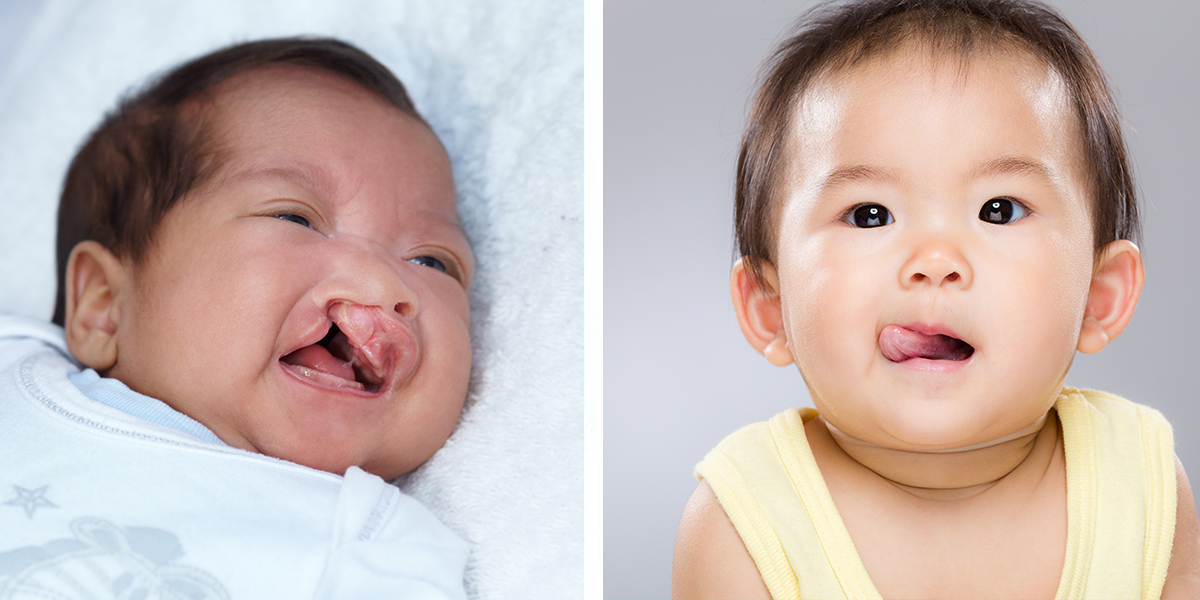
Understanding Cleft Conditions in Children
What Is a Cleft Lip?
What is the process?
Causes and Risk Factors
Roughly 1 in every 800 babies is born with a cleft lip and/or palate. These conditions can result from genetic factors, environmental influences, or both. Since lip and palate development occur separately in utero, a child may be born with one or both abnormalities.
Coordinated Treatment Approach
Treating cleft conditions often requires a collaborative team of experts. Oral and maxillofacial surgeons work closely with pediatricians, orthodontists, speech therapists, and audiologists to create a customized plan for feeding, speech, dental care, and emotional wellbeing.
Surgical Treatment Timeline
- Cleft Lip Repair: Typically performed when the child is between 3 to 6 months old. This surgery restores the lip’s appearance and muscle function, and may also include nasal reshaping if needed.
- Cleft Palate Repair: Usually performed between 7 to 18 months of age. The procedure closes the opening, reconnects important muscles for speech, and helps prevent food and fluid from entering the nasal passages. Techniques vary by case and surgeon, and parents are encouraged to discuss options in detail during consultations.
Additional Procedures and Long-Term Care
As a child grows, follow-up procedures may be required to support dental development and jaw alignment. These may include:
- Bone Grafting: Grafting bone (often from the hip) into the gum area to support permanent teeth—typically done between ages 8–12.
- Orthognathic Surgery: Jaw surgery in older children or adults to correct alignment and improve facial balance.
Recovery and Expectations
Many children experience an immediate improvement in feeding and comfort following palate surgery. However, minor complications like small openings (fistulas) can occur and may require follow-up care. Ongoing monitoring and speech therapy are often part of the long-term plan for optimal results.
Schedule a Consultation
With experienced surgical care and a multidisciplinary approach, most children with cleft conditions go on to lead full, healthy lives with excellent function and appearance. If your child has been diagnosed with a cleft lip or palate, contact our office to schedule a consultation and learn more about available treatment options.