

After Exposure of an Impacted Tooth
- Home
- Surgical Instruction
- After Exposure of an Impacted Tooth
Post-Surgical Care for Tooth Exposure
Bleeding
Pain & Discomfort
Home Instructions Following Impacted Tooth Exposure
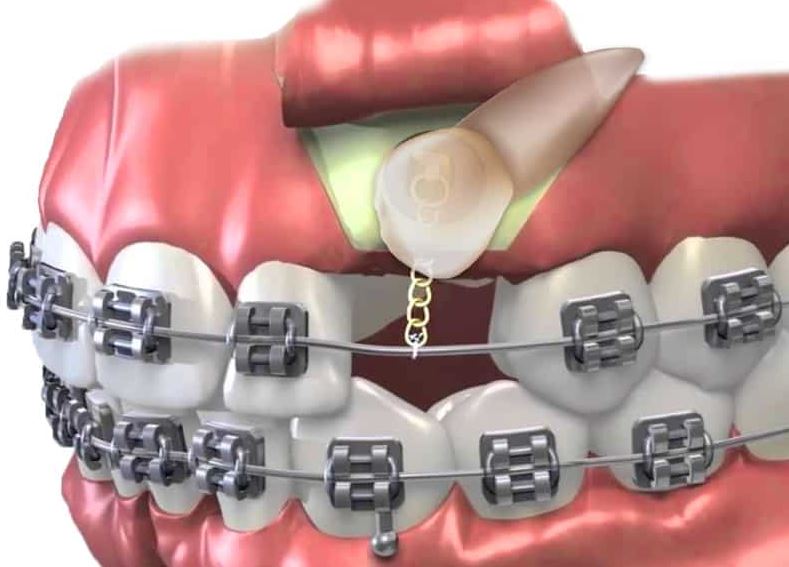
Following your impacted tooth exposure procedure, avoid disturbing the surgical site. If your surgeon placed a protective dressing or packing material, leave it undisturbed—it helps maintain the tooth’s exposure. If the packing becomes loose or falls out, remain calm and contact our office for guidance.
Bleeding
Mild bleeding or pink-tinged saliva is normal during the first 24 hours. If bleeding becomes more active—such as your mouth filling with blood—bite down on gauze placed directly over the site with firm pressure for 30 minutes. If bleeding persists, reach out to our office for additional instructions.
Swelling
Swelling is a natural response after surgery. To help manage it, place an ice pack or a plastic bag with ice against the cheek near the surgical area. Apply the cold compress as frequently as possible during the first 36 hours.
Diet
Hydration is key—drink plenty of fluids. Avoid anything hot or hard to chew. Stick to soft foods and liquids on the day of your surgery. You can return to your regular diet when comfortable, unless advised otherwise.
Pain
Start taking pain relievers as the anesthesia wears off. For mild to moderate discomfort, take one or two Tylenol or Extra Strength Tylenol tablets every 3–4 hours. Alternatively, you can use over-the-counter Ibuprofen (Advil or Motrin). A standard dose is 2–3 tablets of 200 mg each, taken four times daily—not exceeding 3200 mg per day for adults. For patients under 18, consult our office for proper dosing. Avoid combining Tylenol and Ibuprofen unless instructed.
If your pain is severe, take the prescribed medication exactly as directed. Do not take any medication if you have known allergies to it or have been told by your physician to avoid it. Refrain from driving, operating machinery, or consuming alcohol while using prescription pain relievers. Your pain should gradually improve; if it worsens or does not improve, please call our office.
Oral Hygiene
Maintaining oral cleanliness supports proper healing. Begin gently cleaning your mouth after each meal starting the day after surgery. Brush your teeth as usual if possible. Rinse with a warm saltwater solution (1 teaspoon salt in 1 cup of warm water) about six times a day—especially after meals. Continue this Cherry Street Oral & Facial Surgery until your healing is complete.
REMEMBER: A clean surgical site promotes faster, better healing.
Activity
Limit physical activity in the immediate days following surgery. If you notice throbbing or renewed bleeding while exercising, stop and rest. Reduced food intake can lead to weakness, so listen to your body. If you feel lightheaded, discontinue all exertion.
Trusted Expert in Advanced Oral and Maxillofacial
Surgery
- TMJ Surgery
- Jaw Surgery
- Oral Biopsy
- Cyst Removal
- Bone Grafting
- Extraction
- Morrisville