

Jaw Bone Health
Missing teeth can lead to progressive bone loss in the jaw. This loss not only affects your appearance but can also impact your oral and overall health. Over time, this can lead to discomfort, issues with remaining teeth, changes in facial structure, and even difficulties with speaking and eating.
- Home
- Procedure
- Jaw Bone Health
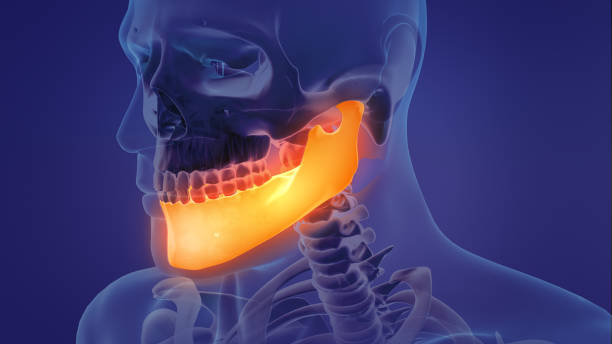
Potential Consequences of Tooth and Jaw Bone Loss
Just like muscles need exercise to stay strong, bones require regular use to maintain their density. Teeth are anchored in the jaw and help stimulate bone through daily functions like chewing. When teeth are lost, the alveolar bone—the part of the jaw that supports teeth—stops receiving that stimulation and gradually resorbs. The body interprets the bone as no longer needed, which leads to its deterioration.
Potential Consequences of Tooth and Jaw Bone Loss
- Shifting, loosening, or loss of remaining teeth
- Changes in facial profile or collapse of facial structure
- Reduced lip support
- Increased wrinkling around the mouth
- Altered appearance of facial features
- Jaw or TMJ-related pain, facial discomfort, and headaches
- Challenges with speaking clearly
- Difficulty eating a balanced diet due to chewing problems
- Sinus cavity expansion in upper jaw bone loss cases
Altered appearance of facial features
- Altered appearance of facial features
- Jaw or TMJ-related pain, facial discomfort, and headaches
- Challenges with speaking clearly
- Difficulty eating a balanced diet due to chewing problems
- Sinus cavity expansion in upper jaw bone loss cases