


Sleep Apnea
- Home
- Procedure
- Sleep Apnea
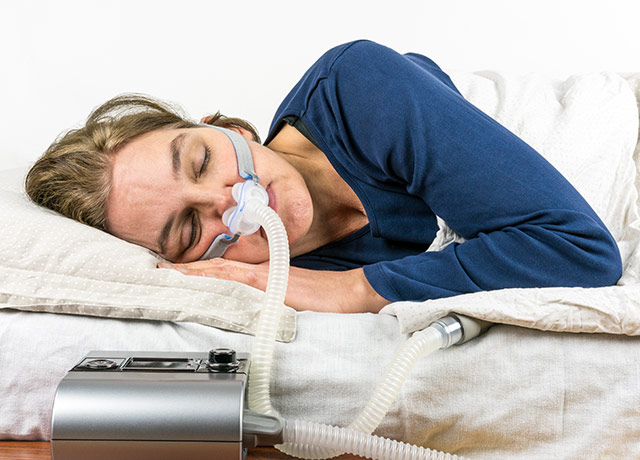
Understanding Obstructive Sleep Apnea
Recognizing the Symptoms
Common Signs of Sleep Apnea
- Loud, chronic snoring
- Gasping or choking during sleep
- Observed pauses in breathing by a partner
- Morning headaches
- Daytime sleepiness or fatigue
- Irritability and trouble concentrating
Milder cases may be classified as Upper Airway Resistance Syndrome (UARS), which presents similar symptoms but involves less significant airway blockage.
Diagnosis and Evaluation
Treatment Options
Treatment varies depending on the severity of the condition and your unique anatomy. Options may include:
- CPAP (Continuous Positive Airway Pressure): Delivers air through a mask to keep the airway open during sleep.
- UPPP (Uvulo-Palato-Pharyngoplasty): Removes or reshapes soft tissue in the throat to widen the airway.
- LAUPP (Laser-Assisted UPPP): A minimally invasive alternative using laser technology.
- Radio-Frequency Therapy: Tightens soft palate tissues by applying radio-frequency energy.
- Orthognathic Surgery: Repositions the upper and/or lower jaws to enlarge the airway and permanently improve airflow. Performed under general anesthesia in more advanced cases.
Many treatments are performed in-office under light IV sedation, while more extensive surgeries may require hospital care.
Long-Term Outlook
Managing sleep apnea is essential for long-term health. Untreated cases can lead to serious complications, but effective treatment can dramatically improve sleep quality and reduce health risks. Most major insurance providers cover both diagnosis and treatment.
Schedule a Consultation
If you suspect you or someone you love is struggling with sleep apnea, contact our office to schedule a thorough evaluation. Early diagnosis and personalized treatment can restore restful sleep and protect your overall well-being.