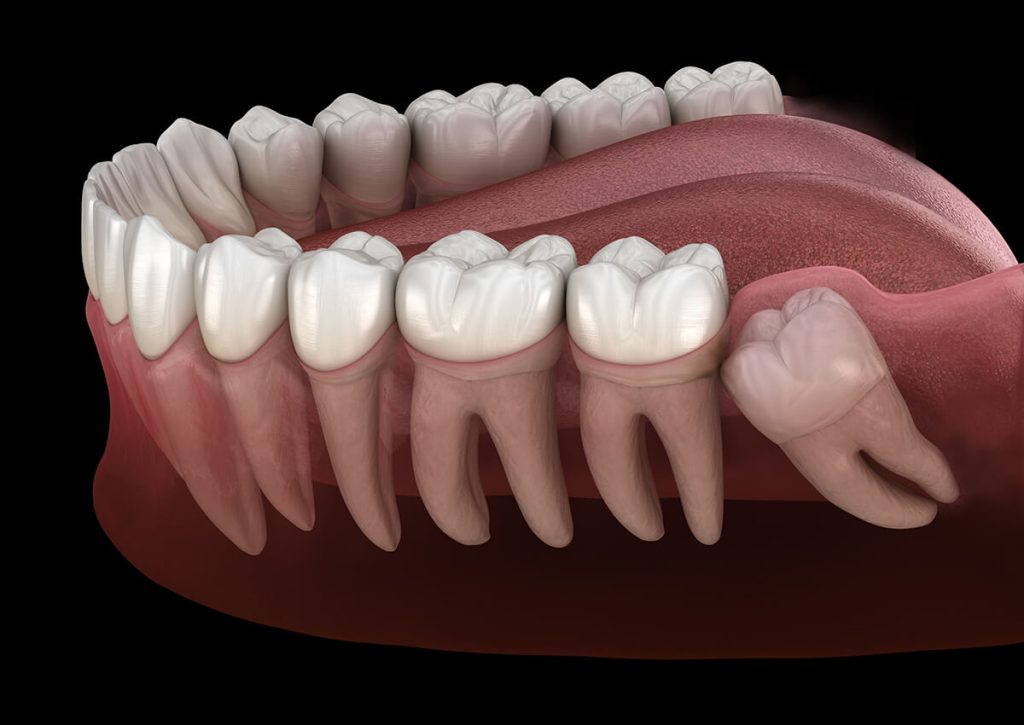
Having your wisdom teeth removed is a surgical procedure that requires proper aftercare to minimize discomfort, swelling, or infection. Following these instructions closely will help you heal faster and reduce the risk of complications.
Slight bleeding or pink-tinged saliva is normal. If bleeding is excessive, rinse your mouth gently to clear old clots, then place a fresh gauze pad over the area and apply firm pressure for 30 minutes. Repeat if needed. If bleeding continues, try biting on a moistened black tea bag for 30 minutes. Stay calm, stay upright, avoid strenuous activity, and contact our office if bleeding persists.
Swelling is common after oral surgery and may involve the cheeks, eyes, and sides of the face. It usually becomes noticeable the day after surgery and peaks around the second or third day. Apply ice packs continuously during waking hours for the first 36 hours. After 36 hours, switch to moist heat to help reduce swelling. Jaw stiffness can also occur and is normal during recovery.
For mild to moderate discomfort, use Tylenol or Extra Strength Tylenol (1–2 tablets every 3–4 hours), or take over-the-counter Ibuprofen (200 mg)—2 to 3 tablets every 6 hours, not exceeding 3200 mg in 24 hours for adults. Contact us for pediatric dosing or special instructions. Do not combine both medications unless directed.
For more severe pain, take the prescribed medication as directed. Do not drive, drink alcohol, or use machinery while on prescription painkillers. Contact our office if the pain persists or worsens.
If you were under general anesthesia or IV sedation, begin with liquids. Avoid straws, as suction can dislodge the blood clot. Stick to soft foods and avoid chewing near the surgical site. Eat high-calorie, high-protein foods, and stay hydrated by drinking at least 5–6 glasses of fluid daily. Try not to skip meals, as good nutrition helps the healing process.
CAUTION: Take your time when sitting or standing after lying down to avoid dizziness.
Do not rinse your mouth on the day of surgery. Starting the following day, rinse gently 5–6 times daily—especially after meals—with a warm saltwater solution (1 teaspoon of salt in 1 cup of warm water).
Bruising around the cheeks or under the skin can occur a few days after surgery and may appear black, blue, green, or yellow. This is normal and may be reduced with warm compresses after the first 36 hours.
If antibiotics were prescribed, take them exactly as instructed. Stop taking them if you notice a rash or other adverse reaction and call our office immediately.
If you experience nausea, avoid consuming anything—including medications—for at least an hour. Then sip slowly on clear fluids like ginger ale or tea. Once nausea subsides, you may resume eating and taking medication.
Sutures may be placed to reduce bleeding and support healing. If they fall out early, don’t worry—just remove them from your mouth. We’ll typically remove sutures at your follow-up visit, which is quick and painless.
You may notice a hollow space where the tooth was removed. This will gradually fill in with tissue. Keep it clean with rinsing and gentle brushing.
Each recovery is unique. If you have concerns, reach out to Williams or your general dentist.
Brushing your teeth is okay—just be gentle near the surgery site.
A “dry socket” can occur if the clot is dislodged too soon. This may result in pain radiating to the ear around 2–3 days post-op. Contact our office if this happens.
If you exercise, keep in mind that reduced food intake may make you feel weak or dizzy. If that occurs, stop and rest.
We’re deeply committed to keeping every patient well-informed about their full range of care options. That’s why we offer a variety of helpful resources to enhance and support your treatment journey.
At Riverside Oral & Maxillofacial Center, we offer a wide array of oral surgery treatments to patients throughout the Riverside area and nearby regions. Our goal is to enhance both the appearance and functionality of your smile. Led by board-certified oral surgeon Dr. Emily Carter, our skilled team performs advanced procedures including dental implants, full-arch restorations, wisdom tooth extractions, and more. We prioritize your safety and comfort with modern facilities, cutting-edge technology, and a dedicated on-site anesthesia team.