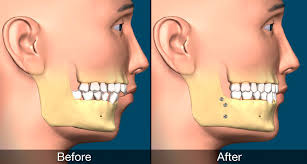
Orthognathic surgery, also known as corrective jaw surgery, is performed when the upper and lower jaws are not properly aligned. This misalignment can cause difficulty in speaking, chewing, and breathing, as well as impact overall facial appearance. While orthodontics can straighten teeth, orthognathic surgery repositions the jawbones to ensure that the teeth meet correctly and function properly.
Signs You May Need Orthognathic Surgery
- Difficulty chewing, biting, or swallowing
- Speech difficulties
- Chronic jaw pain or TMJ symptoms
- Open bite or protruding jaw
- Breathing issues, including sleep apnea
A comprehensive evaluation, including X-rays and a clinical exam, is essential for determining the right treatment plan. We encourage patients to ask questions and stay informed throughout the consultation and treatment process.
Advanced Technology in Jaw Surgery
We use advanced imaging techniques and computer-aided surgical planning to provide precise treatment outcomes. Using digital x-rays and video imaging, we can simulate your surgery and preview the expected improvements in your bite and appearance. This modern approach enhances understanding and confidence in the procedure.
If you are a candidate for jaw surgery, we will work in close coordination with your orthodontist and dentist to ensure seamless care from planning through recovery. The result is a functional and aesthetically balanced facial structure that supports lifelong oral health.
What to Expect
- Preparation includes several months of orthodontics before surgery.
- The surgery is performed in a hospital setting and typically lasts 1–4 hours.
- Most patients stay in the hospital for 1–3 days post-surgery.
- Braces are kept on during surgery and may be removed 6–12 months afterward.
- Initial recovery can take 2–4 weeks, with gradual return to normal function.
- Full recovery and final results can take up to 12 months.
- Frequent follow-up visits are required to monitor progress and healing.